

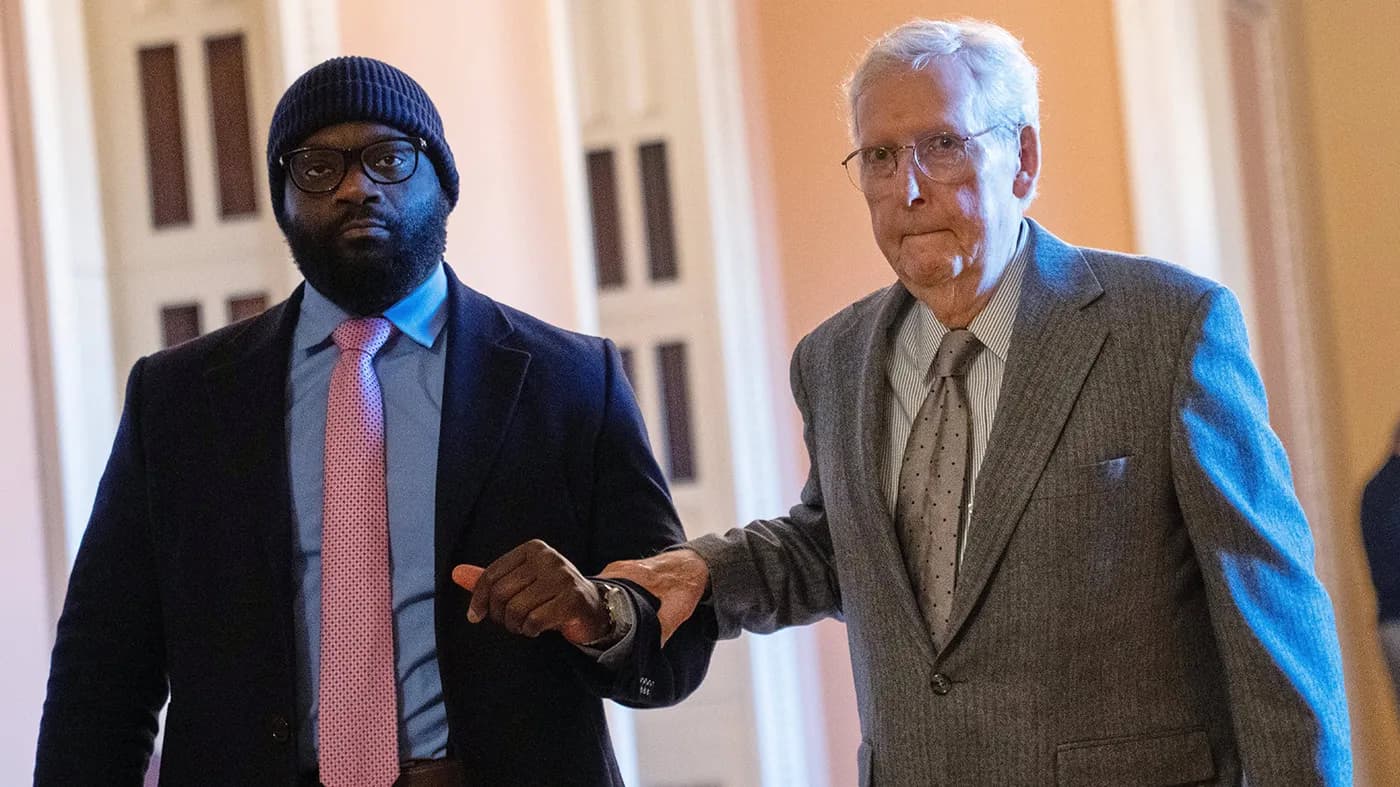
Former Republican Senate Majority Leader Mitch McConnell made a high-profile return to the U.S. Capitol on September 14, 2026, ending a three-month absence following a serious fall at his Washington home. The 84-year-old Kentucky senator, who missed 60 roll call votes during his recovery, arrived in the chamber to cast his first vote since mid-June, helping Republicans navigate a razor-thin 53-47 majority.
The senator's return has reignited fierce debates across Capitol Hill regarding congressional age limits, institutional duty, and the physical demands placed on aging lawmakers. While McConnell assured colleagues he would show up for crucial legislative battles, his presence has drawn intense scrutiny from supporters, critics, and political commentators alike.
The Injury and the Long Road Back to Capitol Hill
Understanding mitch mcconnell health returns requires examining the severe physical setbacks that kept the veteran lawmaker out of the public eye for a quarter of the year. On June 14, 2026, McConnell suffered a severe fall at his residence that required immediate hospitalization at George Washington University Hospital.
His medical timeline involved multiple layers of care and unexpected complications:
- Hospitalization and Rehabilitation: Following the June fall, McConnell underwent weeks of intensive medical treatment before being transferred to an inpatient rehabilitation facility, from which he was discharged on August 6.
- Secondary Health Complications: His recovery was further delayed by a bout of pneumonia and ongoing physical complications linked to his childhood struggle with polio.
- Lack of Initial Information: Weeks of minimal communication from his office fueled intense public speculation, prompting Kentucky Governor Andy Beshear to publish an open letter urging the senator to clarify his fitness to serve.
Regarding mitch mcconnell the injury and the return, the senator addressed reporters outside the Senate chamber, noting that while recovery had been "a long and often frustrating process," he remained determined to fulfill his duties. He acknowledged that while he was "not quite back to 100%," ongoing physical therapy would allow him to participate in vital legislative business.
Frail Appearance and Wheelchairs: Capitol Hill Confronts Aging Leadership
The visual reality of McConnell's return struck a somber tone across the Capitol. Arriving in the chamber in a wheelchair, the senator appeared noticeably frailer, relying on aides for mobility as he prepared to cast his vote.
Conversations surrounding Mitch McConnell Frail Appearance and Wheelchairs have intensified as lawmakers observe his physical struggle up close. During a recent Senate Agriculture Committee meeting on the Farm Bill, reporters noted instances where McConnell appeared disoriented during roll call responses, raising further questions about his operational stamina.
His reliance on physical assistance and staff support highlights the challenges of balancing ongoing recovery with full-time legislative duties. While his missing votes over ninety days previously delayed key GOP initiatives, including an August Farm Bill vote, McConnell's presence remains vital for providing Republicans with a crucial vote in a narrow 53-47 Senate majority.
While his doctor confirmed his fall-related injuries were minor, the lingering effects of childhood polio combined with advanced age have made full physical rehabilitation exceptionally difficult, sparking broader debates about gerontocracy in American governance.
Political & Public Reaction: A Divided Response
The reaction to McConnell's comeback has highlighted deep divisions over how the nation views aging political leaders. In analyzing mitch mcconnell Political & Public Reaction, responses range from admiration for his institutional grit to sharp criticism over prolonged absences.
Supporters and Republican colleagues, including Senate Majority Leader John Thune, welcomed McConnell back, emphasizing that his vote remains essential for passing defense appropriations and farm legislation. Allies view his return as a demonstration of unwavering dedication to his constituents and the Republican conference.
Conversely, critics and public commentators have expressed deep concern. Public letters and editorials have described his continued service as a difficult spectacle, arguing that lawmakers should step aside when severe physical limitations impair their ability to serve full-time. The discussion also reflects wider questions about political leadership and public accountability. Critics point out that during his three-month absence, Kentucky lost crucial representation during major legislative fights, including votes on foreign policy resolutions and judicial confirmations.
Conclusion
Mitch McConnell's return to the U.S. Senate represents a poignant chapter in his decades-long political career. As the longest-serving Senate party leader in American history, his determination to remain in office through severe physical hardship reflects his deep commitment to legislative power. However, his frail appearance and reliance on physical accommodations ensure that discussions surrounding term limits, congressional age, and public transparency will remain at the forefront of national political discourse through the end of his term in January 2027