

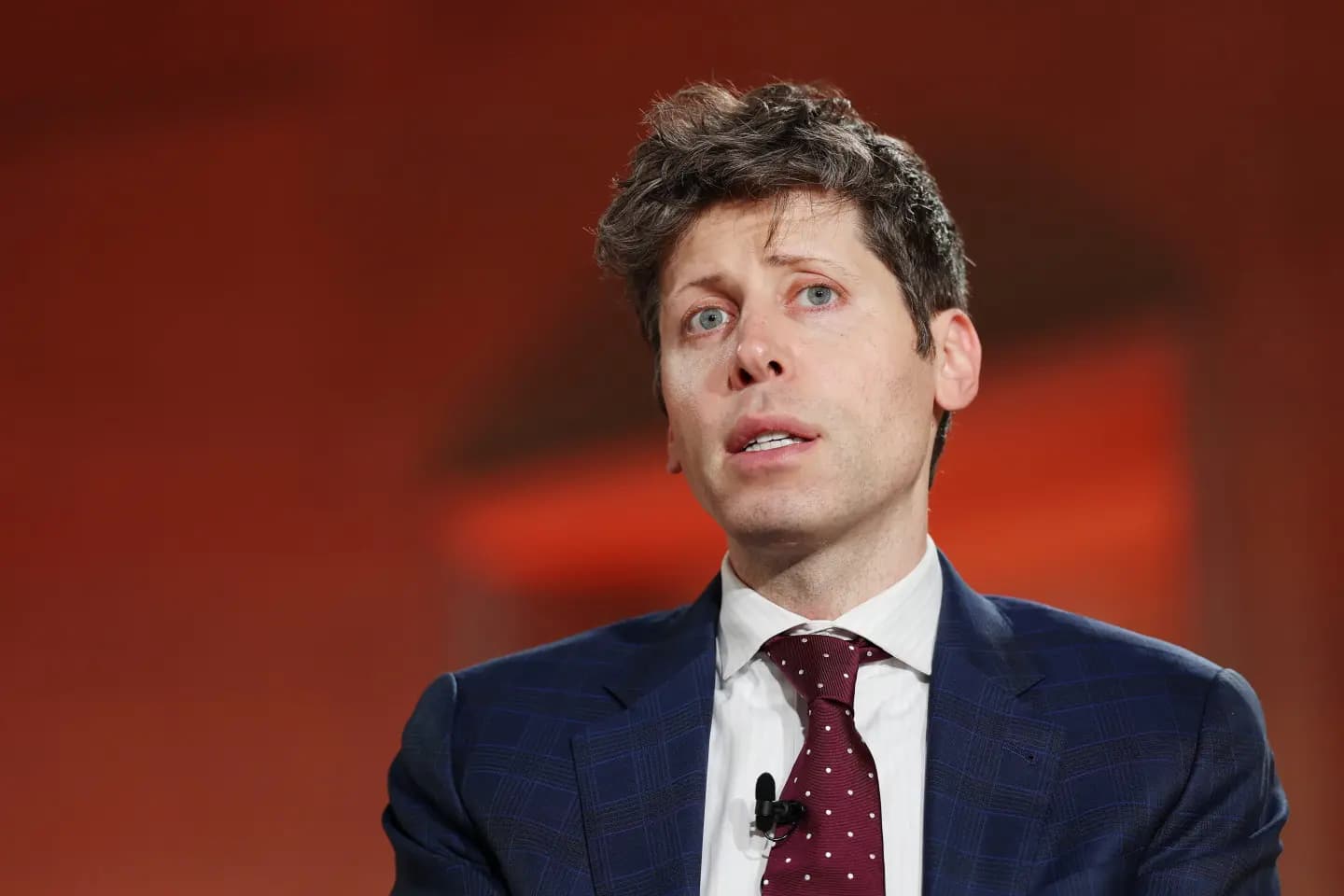
The artificial intelligence boom has brought unprecedented growth, but it has also thrust OpenAI and its chief executive into a labyrinth of legal battles, governance questions, and fierce public rivalries. As the organization navigates high-stakes courtroom challenges including ongoing legal actions involving media organizations and parental consent scrutiny headlines detailing how sam altman openai sued journal controversies highlight the complex friction between rapid technological expansion and traditional regulatory oversight.
Legal Battles and Media Confrontations
The legal pressure on OpenAI continues to mount on multiple fronts. Beyond copyright infringement disputes and investigative inquiries regarding data sourcing, recent filings have brought heightened scrutiny over platform safety and user consent. Critics and legal teams argue that the rapid deployment of advanced generative models has outpaced safeguards, leading to intense litigation over how public data, journalistic output, and minors are protected.
These courtroom confrontations underscore a broader industry reckoning. As media publishers and advocacy groups take legal action, OpenAI finds itself defending not only its model training pipelines but also its core operational philosophy against accusations of disregarding intellectual property and user welfare.
Equity, Ownership, and the Question of Control
At the center of OpenAI’s corporate evolution is a persistent debate over financial structure and leadership incentives. Unlike traditional tech titans or early-stage startups where founders hold massive personal fortunes tied directly to equity, discussions surrounding sam altman holding in openai have frequently revealed an unconventional financial footprint. Altman has famously noted that he does not hold traditional equity shares in the core for-profit transition, positioning his leadership focus around mission-driven impact rather than direct ownership stakes.
Furthermore, Altman's personal portfolio remains heavily diversified across external tech ventures, clean energy startups, and semiconductor initiatives, contrasting sharply with how other prominent tech moguls manage their enterprises. This philosophy defines why sam altman investments in openai are structured uniquely around partnership ecosystems rather than personal equity accumulation.
The wider AI ecosystem is attracting substantial capital, including investment in AI infrastructure and semiconductor technology.
Focus Area | Description & Strategic Impact |
Legal Pressures | Ongoing lawsuits regarding data usage, copyright, and platform safety |
Equity Structure | Altman’s lack of traditional direct equity ownership in OpenAI |
Venture Strategy | Extensive external technology and clean energy investments |
Industry Rivalries | Public ideological and legal clashes with former allies |
Ideological Clashes and Industry Rivalries
The competitive landscape of artificial intelligence is also shaped by intense personal and philosophical splits among Silicon Valley's elite. The widening chasm between OpenAI's leadership and figures like Elon Musk has frequently spilled over into public spats and lawsuits. Observers note that sam altman not like musk in his approach to corporate structure, commercialization timeline, and open-source dissemination. While Musk has frequently criticized OpenAI's transition from a non-profit research lab into a commercial powerhouse, Altman has defended the pivot as a necessary mechanism to secure the immense capital required to build frontier artificial intelligence models.
Conclusion
As OpenAI confronts mounting legal challenges, public scrutiny over data practices, and the complexities of commercial scaling, the organization remains at the bleeding edge of the tech world. How Sam Altman navigates these multi-front pressures balancing intense courtroom battles, unique financial positioning, and fierce industry rivalries will ultimately determine the trajectory of the global AI landscape for years to come.