

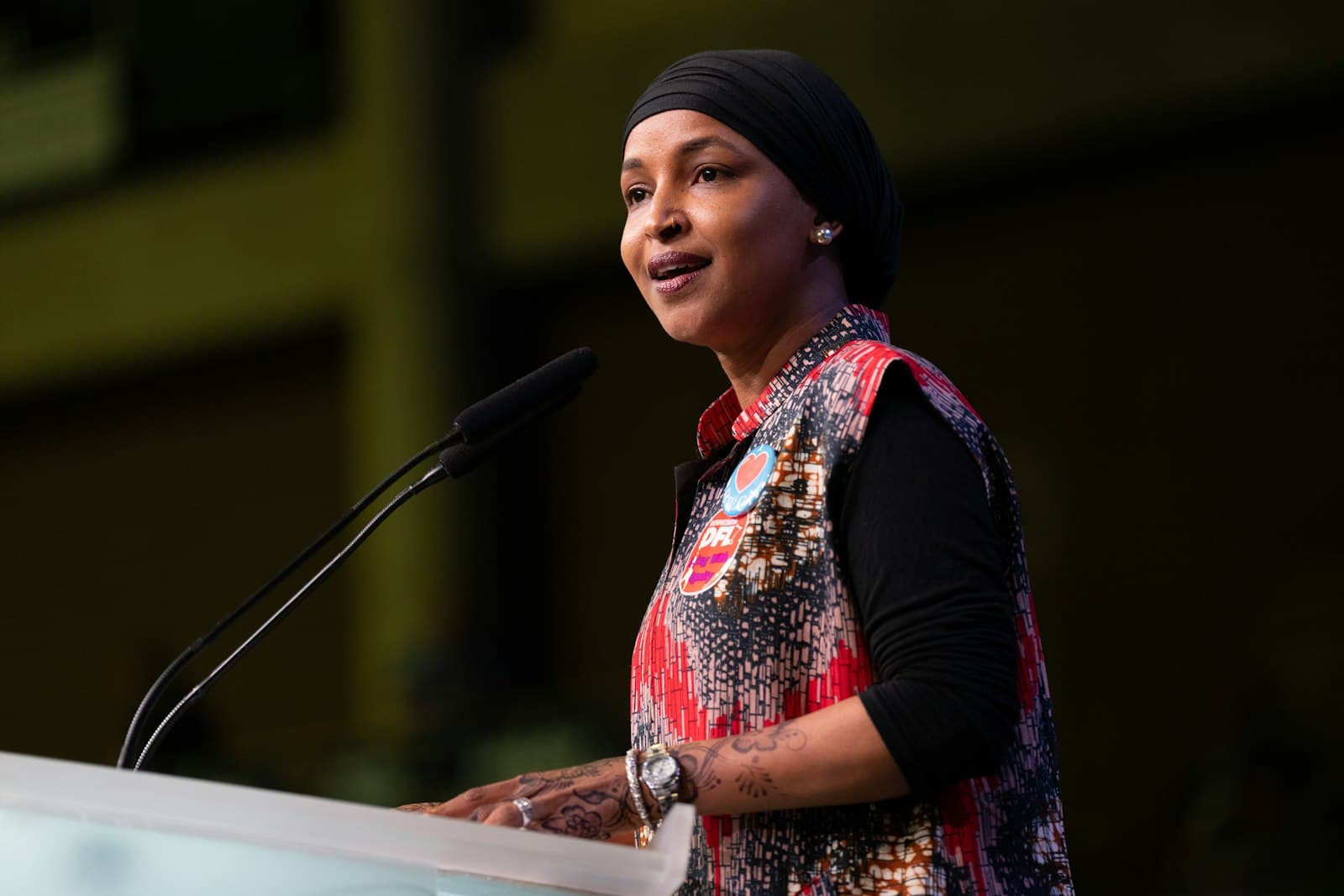
The intersection of immigration background, federal oversight, and partisan politics has once again thrust Representative Ilhan Omar into the national spotlight. Amid renewed public debates over federal investigations and political accountability, omar The Federal Raid Investigation headlines have dominated political discourse, reviving years-old inquiries into her background, naturalization, and public service.
Background on Immigration and Naturalization Scrutiny
The roots of the current political friction trace back to recurring allegations regarding the congresswoman's entry into the United States and subsequent naturalization process. While critics and political opponents have repeatedly raised questions, historical records and investigative tracking indicate that federal agencies have previously looked into these matters without taking formal punitive action.
Discussions surrounding omar Immigration and Citizenship allegations typically center on her family’s arrival as refugees fleeing the Somali Civil War, their time in a Kenyan refugee camp, and her eventual settlement in Minnesota. Although political adversaries have frequently seized upon these biographical details to challenge her credentials, legal experts and immigration specialists note that her naturalization as a U.S. citizen followed standard legal frameworks established under federal immigration statutes.
Political Reactions and Partisan Arguments
The intensification of these inquiries has triggered sharp partisan divides across Capitol Hill. Supporters of the Minnesota lawmaker view the persistent probes and renewed rhetoric as politically motivated attacks designed to delegitimize a prominent progressive Muslim woman in American politics. They argue that weaponizing immigration status against elected officials sets a dangerous precedent that undermines democratic norms.
Conversely, conservative figures and critics maintain that thorough oversight and transparency are necessary for all public officials, regardless of party affiliation. omar Political Reactions & Arguments often highlight a broader ideological battle over immigration enforcement, national security vetting, and the responsibilities of lawmakers holding high-security clearances or serving on key congressional committees.
Dimension | Perspectives & Arguments |
Supporters' View | Alleges politically motivated harassment and xenophobic targeting of a minority lawmaker |
Critics' View | Emphasizes transparency, rigorous vetting, and adherence to immigration law |
Historical Context | Prior federal reviews in 2019 yielded no formal findings or charges |
Public Impact | Deepens polarization regarding immigration rhetoric in national politics |
The Trump Administration and Continuing Criticisms
The revival of these immigration-related controversies is closely tied to ongoing friction between the Omar Trump Administration and Critics. Throughout successive political cycles, former and current administration figures have frequently targeted Omar in campaign rallies, policy statements, and media appearances.
Reports from national security and investigative desks indicate that federal agencies under previous administrations conducted comprehensive reviews of her immigration documents, tax filings, and marital history. Despite these thorough examinations, investigators historically found insufficient grounds to bring charges or invalidate her citizenship status, a fact that has done little to quell ongoing political debates.
The debate also highlights the importance of examining political claims and fact-checking before drawing conclusions about government actions.
Conclusion
As political campaigns intensify and oversight debates continue, the scrutiny surrounding Representative Ilhan Omar remains a flashpoint in American politics. Whether viewed through the lens of legitimate accountability or partisan grievance, the ongoing focus on her background underscores the deep polarization defining modern legislative and electoral battles.