

A 2026 Case Study on Deepfakes, Viral Lies, and AI-Generated War Media
The Age of Instant Reputation Destruction
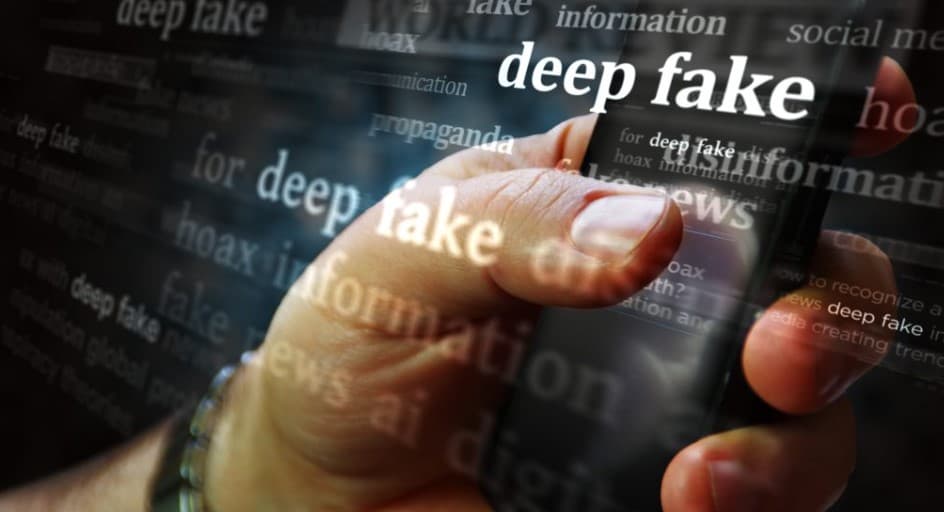
In 2026, a single AI-generated video can end a career, destabilize a nation, or ignite mass panic within minutes. What once required months of coordinated smear campaigns can now be engineered, deployed, and spread globally before a single fact-checker opens a browser. The ongoing 2026 Iran conflict has become a global testing ground for this new reality. Deepfake videos, fabricated assassination rumors, and AI-synthesized battlefield footage are blurring the line between truth and manipulation. The consequences are severe for public figures, military leaders, corporations, and governments.
“Perception now moves faster than truth, and in many cases, faster than correction.”
A key finding from 2026 highlights the scale of the problem. AI-generated misinformation spreads six times faster than factual corrections, according to independent digital media watchdogs monitoring the Iran conflict.
The 2026 Reputation Crisis: What Is Happening
The weaponization of AI is no longer theoretical. Three major threats are converging to create a reputation crisis.
Deepfake Videos
Highly realistic face-swapped videos show leaders making statements they never made, confessing to crimes, or appearing at fabricated events.
Fake Death and Assassination Rumors
False reports about the deaths of public figures trigger market instability, panic, and lasting perception damage.
AI-Generated War Media
Synthetic images and videos falsely depict military actions, civilian harm, or battlefield victories to manipulate global opinion.
“The cost of creating misinformation has dropped to near zero, but the cost of repairing reputation has never been higher.”
Case Studies: Real Incidents, Real Damage
The Deepfake World Leader Crisis
During the Iran conflict in early 2026, a convincing deepfake video appeared to show a world leader issuing an unauthorized war declaration. The video reached more than 47 million views within six hours before being flagged as fake. The consequences were immediate. Markets reacted, diplomatic channels were activated, and public approval ratings dropped sharply. Even after debunking, reputational recovery took weeks.
“By the time the truth arrives, the damage is already embedded in public memory.”
Fake Assassination Rumors and Market Panic
In March 2026, coordinated posts falsely reported the assassination of a regional government official. AI-driven bot networks amplified the claim, imitating credible news sources. Within 40 minutes, markets reacted and major outlets reported unverified information. Even after retractions, digital sentiment analysis showed a 34 percent increase in negative associations lasting over two months.
AI-Generated Military Atrocity Media
Synthetic footage showing alleged civilian harm circulated widely during the conflict. Later forensic analysis confirmed the media was AI-generated. Despite this, the footage was used in international advocacy campaigns, damaging the reputations of military units and commanders.
“In the AI era, evidence can be manufactured at scale, and belief can spread instantly.”
How AI Destroys Reputation Step by Step
Understanding the mechanism is essential for defense.
1. Content Creation
Deepfakes, fake quotes, and fabricated media are created quickly using accessible tools.
2. Seeding
The content is introduced through anonymous accounts, bot networks, or compromised profiles.
3. Algorithmic Amplification
Engagement-driven systems push sensational content to wider audiences.
4. Media Pickup
Secondary outlets report on viral content before verification.
5. Reputation Damage
Search engines and AI systems associate the false narrative with the target.
6. Correction Lag
Debunking reaches fewer people, and the damage persists.
“Algorithmic permanence means a lie can outlive its own exposure.”
Who Is Most at Risk
Certain groups face higher exposure in 2026.
Government and Political Leaders
Primary targets for geopolitical manipulation.
Corporate Executives
False statements can trigger financial instability and brand damage.
Military and Security Forces
Synthetic media is used to undermine credibility during conflicts.
Journalists and Media Personalities
Fake interviews and statements erode public trust.
Healthcare Leaders
Misinformation during crises can cause widespread harm.
Celebrities and Influencers
Non-consensual deepfakes are rising rapidly.
The Role of AI Search and Information Systems
AI-generated search summaries are amplifying misinformation risks. When false content gains traction, it can be presented as factual summaries to millions of users. Studies show users are three times more likely to trust AI-generated summaries than traditional search results.
“When misinformation is summarized by AI, it gains the appearance of authority.”
This creates a new priority: ensuring accurate content is published, indexed, and visible before misinformation spreads.
Protecting Reputation in the Age of AI
For Individuals and Public Figures
Maintain strong digital profiles across authoritative platforms. Publish verified content regularly. Monitor for deepfake misuse. Prepare rapid response strategies.
For Organizations
Treat executive reputation as a strategic risk. Build verified media libraries. Establish crisis communication systems. Prepare legal responses.
For Governments
Develop rapid fact-checking infrastructure. Coordinate with platforms. Invest in public education on AI literacy.
“Speed is now the most critical factor in reputation defense.”
Conclusion: Truth Still Matters
The events of 2026 show that reputation is no longer just personal or corporate. It is geopolitical. AI has transformed how quickly misinformation can spread and how deeply it can impact public perception. However, the tools to respond still exist. Proactive reputation management, strong digital presence, and rapid response systems remain the most effective defenses.
“Truth still wins, but only when it moves as fast as the lie.”