

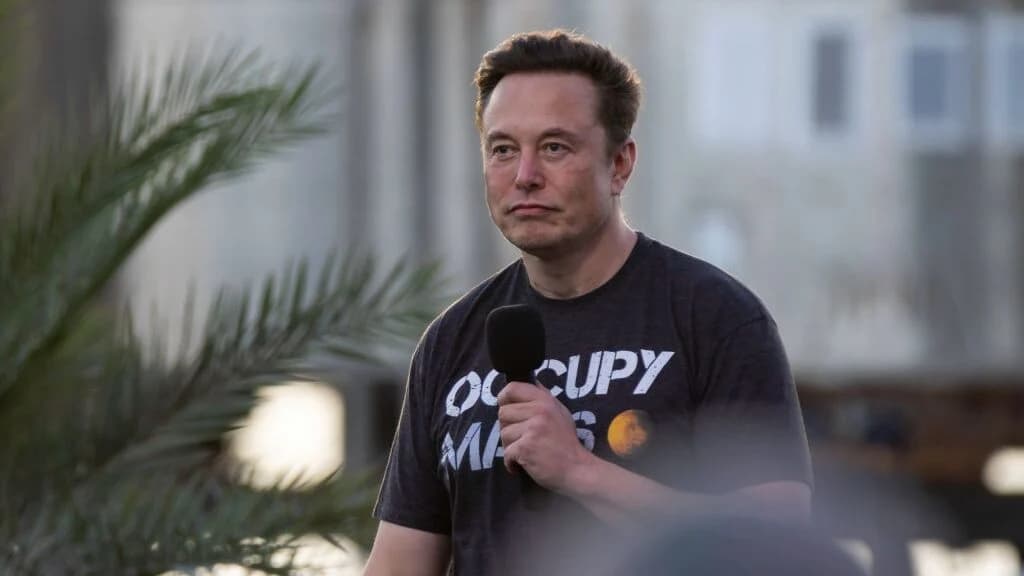
Elon Musk has spent years being selective about who gets to invest in SpaceX. Now, as the rocket company makes its highly anticipated stock market debut, the same iron grip that governed its private funding rounds is shaping one of the most closely watched public offerings in recent memory.
One investor recalled using a connection with Lyndon Rive, a cousin of Musk and former CEO of SolarCity, to purchase $10 million worth of SpaceX IPO Risks stock in 2018. A portfolio manager at a $500 billion US fund said he leveraged a relationship with a Tesla board member to secure an allocation of shares in 2023. Both men, along with at least ten other pre-IPO investors interviewed by Reuters, described an unusual and deliberate screening process that reversed the traditional dynamic between company and investor.
Investors Were Interviewed, Not the Other Way Around
Before being allowed to invest, both men were required to visit SpaceX's headquarters, where they were interviewed by Musk's team, including chief financial officer Bret Johnsen. Final approval rested with Musk himself. Despite committing millions of dollars, they received only limited financial information about the company.
"When we invested, it was straight up: Elon controls everything, and you're not going to know anything unless you put in $250 million," said Ross Gerber, CEO of Gerber Kawasaki, an investment firm that holds both SpaceX and Tesla shares. Gerber said he invested regardless, citing the extraordinary returns his Tesla investment had already delivered.
For those who got in early, the gamble has paid off handsomely. The fund manager who purchased Rive's stake for $10 million said he is now sitting on more than $200 million in gains. Worth approximately $30 billion in 2018, SpaceX is expected to list at a market valuation of $1.75 trillion.
SpaceX Upends the Traditional IPO Playbook
The company's approach to its public offering has been equally unconventional. Musk has dictated terms at every stage of the process, directing the country's most powerful banks, including Goldman Sachs and Morgan Stanley, on how to market its stock and to whom.
Some banks were told the specific order sizes they needed to fill, in some cases running into several billion dollars, and were given instructions on what types of investors to bring. Five sources familiar with the matter confirmed the arrangement. Banks signed on to underwrite the offering without being told what they would be paid.
SpaceX assigned banks to specific investor pools and geographies in what market participants describe as a "lane" structure, directing firms to focus on defined parts of the offering rather than compete broadly across the deal. A fixed offering price was set before the roadshow even launched, turning the conventional IPO process on its head.
A source familiar with the deal defended the arrangement, saying it was designed to ensure accountability among SpaceX's 23 underwriting banks, with some bankers spending more than six months camped at the company's headquarters to design what was described internally as a "great collaboration."
The Nasdaq exchange's chief executive, Adena Friedman, lobbied Musk and SpaceX President Gwynne Shotwell over several months to secure the listing. In March, Nasdaq changed its index rules to accelerate the entry of large-cap companies like SpaceX into the Nasdaq-100 shortly after listing.
Retail Investors Take a 30 Per Cent Slice, Along With the Risks
Unusually for an offering of this scale, 30 per cent of the $75 billion deal has been allocated to individual investors, including everyday retail buyers. During a virtual kickoff meeting with the full syndicate of IPO banks on 6 April, Johnsen told attendees the decision was deliberate.
"Those are folks that have been incredibly supportive of us and of Elon for a long time, and we want to make sure that we recognise that," he said, according to a transcript of his remarks seen by Reuters.
Demand for the stock is expected to be intense. Analysts working on the deal were fielding as many as 20 investor calls a day, well above the 10 to 15 typically seen on high-demand offerings.
Yet the risks are substantial. SpaceX carries weak corporate governance with Musk in absolute control, loss-making operations, related-party deals between Musk's companies, and hard-to-value ambitions such as colonising Mars and placing data centres in space.
"No fiduciary should accept this adverse combination of financial and governance risk," wrote Tejal Patel, executive director of the union-affiliated SOC Investment Group, in a letter to prospective investors dated 4 June.
Bradford Briner, North Carolina state treasurer, acknowledged the tension but offered a measured view. "I can see both sides of this. But betting against Elon Musk has been a mistake, in hindsight," he said.