

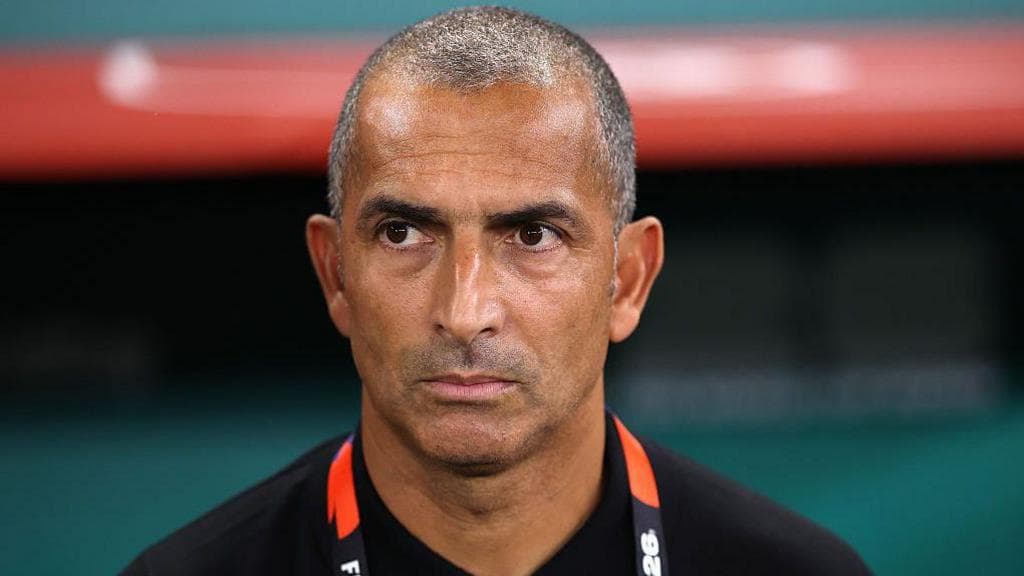
Tunisia have sacked head coach Sabri Lamouchi following the side's defeat in their opening World Cup 2026 fixture, in a decision that has made footballing history for the wrong reasons.
Sweden inflicted a 5-1 loss on Tunisia Sack Lamouchi in Sunday's Group F tie at the Estadio Monterrey in Guadalupe, Mexico. The scale of the defeat proved decisive in the Tunisian Football Association's decision to part ways with the Frenchman just months into his tenure.
Confusion Over Timing of Departure
Reports immediately after the match suggested Lamouchi had been sacked on the spot, but sources told BBC Sport that the 54-year-old took training as normal on Monday. The Tunisian Football Association has since confirmed that his contract was terminated by "mutual agreement", bringing an abrupt end to what had already been a turbulent few days for the squad.
Former Morocco and Saudi Arabia manager Herve Renard has been appointed head coach until the end of the tournament, tasked with steadying a side that now finds itself in genuine danger of an early exit.
A First in World Cup History
Lamouchi's exit means he is the first manager in World Cup history to be sacked after just one game, a distinction that places his short reign in unwanted company alongside several other high-profile managerial casualties at football's biggest tournament.
Tunisia previously sacked manager Henryk Kasperczak during a poor start to their 1998 World Cup campaign, after the side failed to win either of their opening two matches. South Korea dismissed Cha Bum-kun during the same tournament following defeats in their first two games, while Julen Lopetegui was sacked by Spain just two days before the 2018 World Cup began, after agreeing to become Real Madrid manager.
None of those departures, however, came as quickly as Lamouchi's. His exit ends a stint in charge of Tunisia that lasted barely five months.
A Short and Difficult Tenure
The former Nottingham Forest boss was only appointed in January, replacing Sami Trabelsi, who left the role following a last-16 defeat to Mali at the Africa Cup of Nations. Lamouchi's task was always going to be a difficult one given the tight turnaround before the World Cup, but few would have predicted such a swift conclusion to his time in charge.
Speaking after the defeat by Sweden, Lamouchi did not shy away from the scale of the result.
"Starting the competition with this bad of a loss is indeed difficult. We made too many mistakes, and this is not something that we can do. We are shooting ourselves in the foot, we are hurting ourselves."
His comments reflected a campaign that had shown warning signs well before the tournament got underway. Lamouchi won just one of his five games as Tunisia head coach, a 1-0 victory over Haiti in his very first match in charge. The warm-up fixtures that followed offered little encouragement: Tunisia lost 1-0 to Austria before being thrashed 5-0 by Belgium, results that, in hindsight, foreshadowed the heavy defeat to Sweden that ultimately cost him his job.
What Comes Next for Tunisia
With Renard now installed at the helm, Tunisia face an immediate challenge to salvage their World Cup campaign. The side will take on Japan and the Netherlands in their remaining Group F fixtures, both of which now carry significant weight if Tunisia are to have any realistic hope of progressing beyond the group stage.
Renard arrives with considerable international experience, having previously led both Morocco and Saudi Arabia on the global stage, and will be expected to bring immediate stability to a squad that has endured a chaotic opening to the tournament. Whether a change in leadership at this late stage can reverse Tunisia's fortunes remains to be seen, but the pressure on Renard to deliver a swift turnaround will be considerable given the historic nature of his predecessor's exit.
For now, Tunisia's World Cup history has already been written into the record books, for being on the wrong side of an unprecedented managerial decision. The coming fixtures against Japan and the Netherlands will determine whether that history is followed by a story of recovery or an early and disappointing exit from the tournament.