

A Crisis Far Away, Yet Close to India
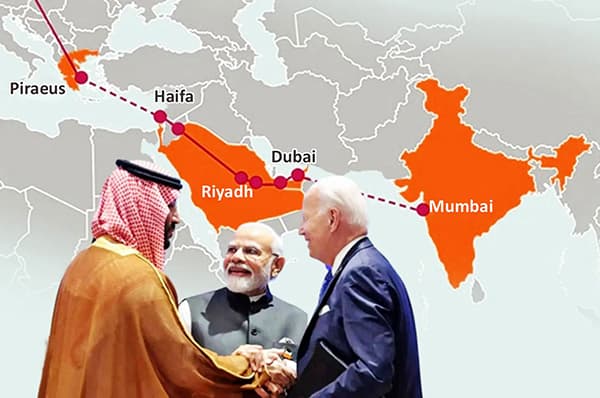
India's economic, cultural, and strategic connections with the Middle East mean that instability in the region quickly affects everyday life in India. From fuel prices at petrol pumps to shipping routes and diplomatic decisions, developments in the Middle East ripple across the Indian economy. As the world's third largest oil consumer and a nation with millions of citizens living in Gulf countries, India's exposure to the region is unusually high. Any conflict or prolonged instability therefore becomes not just a geopolitical story, but a domestic economic concern for India.
"For India, the Middle East is not a distant conflict zone. It is deeply connected to energy security, trade, and the livelihoods of millions of citizens."
Energy Security: India's Oil Dependency
India imports about 80 to 85 percent of its crude oil, making it one of the most import dependent economies for energy. The Middle East supplies the majority of this oil, with Iraq, Saudi Arabia, the United Arab Emirates, and Kuwait among India's largest suppliers. Together they account for more than 60 percent of India's crude imports, which crossed 230 million metric tonnes in 2023 to 2024. The Strait of Hormuz, through which nearly 20 percent of global oil passes, remains a critical chokepoint. Any conflict affecting shipping in this region can quickly push global oil prices higher, increasing India's import bill, widening the current account deficit, and raising domestic fuel prices.
"Every rise in crude oil prices in the Gulf eventually reaches Indian consumers through higher fuel costs."
Safety of Indian Citizens in the Gulf
More than eight million Indians live and work across the Middle East, making it the largest overseas Indian community anywhere in the world. The United Arab Emirates alone hosts around 3.5 million Indians, while Saudi Arabia has more than two million. Large communities also exist in Qatar, Kuwait, Oman, and Bahrain. These workers contribute billions of dollars in remittances that support families across states such as Kerala, Tamil Nadu, Uttar Pradesh, and Andhra Pradesh. During regional conflicts, however, their safety and employment become major concerns. Past crises such as the Yemen conflict in 2015 forced India to organize large scale evacuation operations like Operation Raahat, highlighting the logistical and humanitarian challenges involved.
"Protecting Indian citizens abroad becomes a top priority whenever instability spreads across the Middle East."
Trade Routes and Maritime Chokepoints
India's trade with Europe and other regions relies heavily on shipping routes that pass through the Middle East. The Red Sea and Suez Canal corridor handles around 12 percent of global trade and serves as a key route for Indian exports to Europe and the eastern United States. Disruptions in the region, such as attacks on commercial ships in the Red Sea in late 2023, forced many vessels to reroute around the Cape of Good Hope, adding up to 10 to 14 extra days of travel and significantly increasing fuel costs. For Indian exporters in sectors such as textiles, pharmaceuticals, and engineering goods, these disruptions mean higher freight rates, delayed shipments, and reduced competitiveness.
"Control of global maritime chokepoints can reshape trade flows and supply chains overnight."
India's Diplomatic Balancing Act
India maintains strong relationships with multiple countries across the Middle East, often with rival powers simultaneously. It has developed a close strategic partnership with Israel, especially in defence technology, intelligence cooperation, and counter terrorism. At the same time, India shares historical ties with Iran, including investments in the Chabahar Port project, which offers access to Afghanistan and Central Asia. Meanwhile, economic partnerships with Saudi Arabia and the United Arab Emirates remain critical for energy imports, investments, and employment for millions of Indian workers. Because of this complex network of relationships, India usually adopts a balanced diplomatic approach that emphasizes dialogue, de escalation, and humanitarian concerns.
"India's Middle East policy is built on strategic autonomy and careful diplomatic balance."
Economic Impact on India
The economic effects of Middle East instability reach Indian households through several channels. Rising oil prices increase the cost of petrol, diesel, and cooking gas, which in turn raises transportation and manufacturing costs across the economy. Higher fuel prices also contribute to inflation and place pressure on the Indian rupee by widening the country's current account deficit. At the same time, disruptions in shipping routes increase the cost of imports and exports. Remittances form another crucial link, as Indian workers in Gulf countries sent over 40 billion dollars to India in 2022 to 2023, supporting millions of families and strengthening India's balance of payments.
"When the Middle East becomes unstable, the economic ripple effects are felt across Indian markets and households."
Conclusion: Strategic Preparedness
The Middle East crisis is not a distant geopolitical issue for India. It directly influences energy security, trade flows, economic stability, and the safety of millions of Indian citizens abroad. India's long term strategy has focused on diversifying energy sources, strengthening diplomatic ties across the region, and improving its ability to protect overseas citizens during crises. As conflicts continue to shape the region's future, India's ability to balance diplomacy, economic interests, and security concerns will remain critical.
"Understanding the Middle East is essential to understanding India's economic and strategic future."