

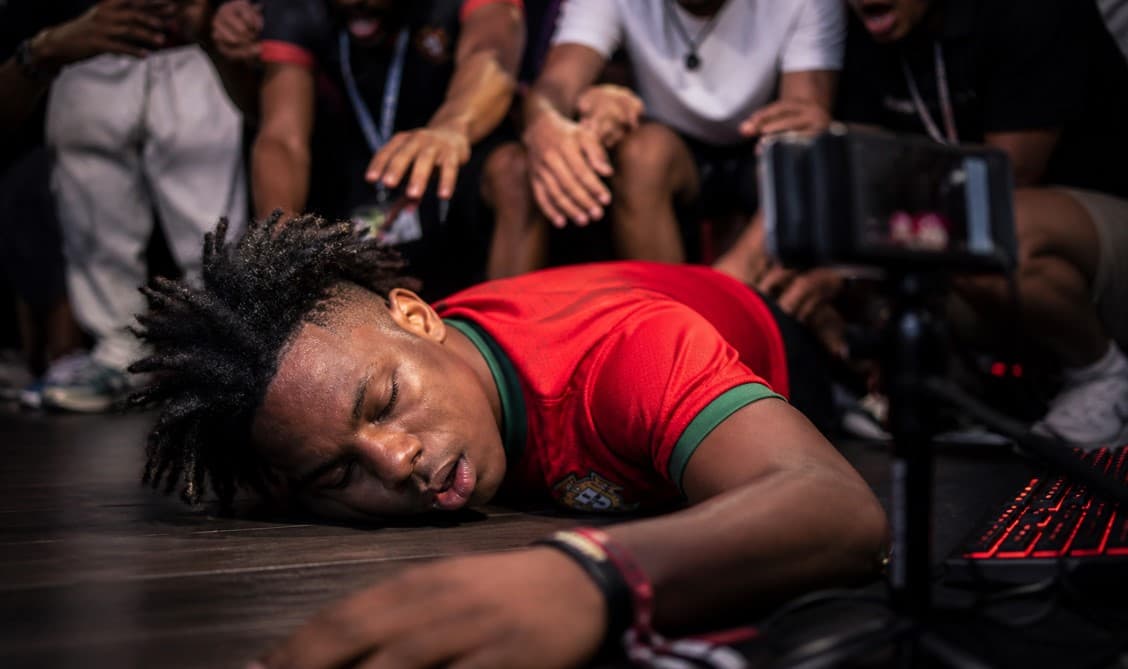
Millions tuned in expecting entertainment. What they witnessed instead sparked a global conversation about the brutal cost of internet fame.
The Moment Everything Stopped
The stream was live. Thousands of viewers were watching, chatting, reacting, the usual electric chaos of an IShowSpeed broadcast. Then, without warning, the energy shifted. Darren Watkins Jr., known globally as IShowSpeed, one of the most watched and physically intense content creators on the planet, collapsed.
The screen didn't go dark. The camera kept rolling. And the internet held its breath.
What followed was one of the most shared, screenshotted, and emotionally charged livestream incidents in recent streaming history: a raw, unscripted moment that no algorithm could have manufactured, and no viewer could look away from.
What Exactly Happened?
Prior to the incident, Speed had been streaming for an extended period, consistent with his well-documented pattern of marathon sessions that frequently stretch across many hours. Viewers in the chat had reportedly noticed signs of visible fatigue, including slower reactions, physical unsteadiness, and diminishing energy, before the moment of collapse.
Medical professionals who later commented publicly on the clip noted that symptoms visible in the footage were consistent with extreme exhaustion, dehydration, or a sudden drop in blood pressure, conditions that are alarmingly common among creators who ignore basic physical needs during long streaming sessions. No verified medical diagnosis was publicly confirmed by Speed or his representatives.
The timeline, as reconstructed from viewer accounts and clips, went roughly as follows:
- Hours into the stream: Speed shows signs of physical fatigue but pushes through.
- Collapse moment: Speed goes down on camera. Chat erupts in panic.
- Minutes of uncertainty: Viewers are unsure whether to treat it as a stunt or a genuine emergency.
- Confirmation: Speed is attended to off-screen. The stream eventually ends or is cut.
- Recovery: Speed later resurfaces online, reassuring fans that he is okay.
Why This Went Viral
In the age of performative content, audiences are trained to be skeptical. But this time, something felt different, and the internet sensed it immediately. Clips of the viral video spread across X (formerly Twitter), TikTok, Reddit, and YouTube Shorts within minutes. "IShowSpeed" trended globally. Fan accounts flooded timelines with prayers, concern, and replays of the moment. Even those who had never watched a Speed stream found themselves suddenly invested in whether a 19-year-old from Cincinnati was going to be okay.
The virality wasn't just about spectacle. It was about vulnerability. Speed's entire brand is built on superhuman energy, louder, faster, more extreme than anyone else. Watching that energy collapse was genuinely destabilizing for an audience conditioned to see him as invincible. That contrast, the myth meeting the man, is exactly why this streamer health moment resonated so far beyond his usual fanbase.
Is Streaming Pushing Creators Too Far?
The IShowSpeed collapse didn't happen in a vacuum. It happened inside a culture.
IRL (In Real Life) streaming, where creators broadcast themselves navigating real environments in real time, is among the most physically and psychologically demanding formats in digital content. There is no pause button. There is no edit. The pressure to remain entertaining, energized, and "on" for an audience that can leave with a single click is relentless. Speed, in particular, has built a following that expects and rewards extremity. His most viral moments are his most intense ones. The algorithm amplifies what gets clicks. Audiences share what shocks them. And creators, consciously or not, calibrate their behavior to meet that demand.
This creates a feedback loop with real consequences.
Across the broader YouTube streamer and influencer ecosystem, burnout-related incidents have become increasingly common. Multiple high-profile creators have taken public breaks citing anxiety, physical illness, and emotional exhaustion. Some have spoken candidly about collapsing behind the scenes, away from cameras, and only going public after the damage was done. What makes Speed's case unique is that it happened on camera. There was no managed press release, no carefully worded tweet. Just the raw, unfiltered reality of a young man's body reaching a limit while the world watched. Experts in digital wellness and sports medicine have increasingly drawn parallels between elite athletes and top-tier streamers, both groups operating under intense physical and psychological pressure, with far too little structural support for recovery. Unlike professional sports, streaming has no off-season, no coaching staff, and no mandatory rest periods.
Current Status
Following the incident, IShowSpeed returned to social media and communicated to fans that he was recovering and doing better. The response was met with widespread relief across his community. No long-term health complications were publicly reported. Speed has not stepped back from streaming in any significant or prolonged way, which, depending on perspective, is either a testament to his resilience or a concern about whether creators feel they can take a break without losing momentum, relevance, or revenue. His fanbase, characteristically devoted, welcomed him back with the same intensity with which they had worried, turning concern overnight into celebration.
A Final Word on Digital Culture
The IShowSpeed collapse is many things at once: a medical scare, a viral moment, a cultural event. But above all, it is a mirror. It reflects an entertainment ecosystem that has built its economy on human endurance, where the audience's hunger for content is infinite and the creator's body is not. Speed is 19 years old. He commands audiences that most television networks would envy. And he nearly fell apart, live, for all of them to see. The conversation that needs to follow isn't just about one streamer. It's about what we, as an audience, as a culture, as an industry, are asking of the people we watch. Concern that lasts only until the next viral clip isn't really concern at all.
Real support means allowing creators to be human: tired, limited, and occasionally in need of rest, even when the camera is on.