

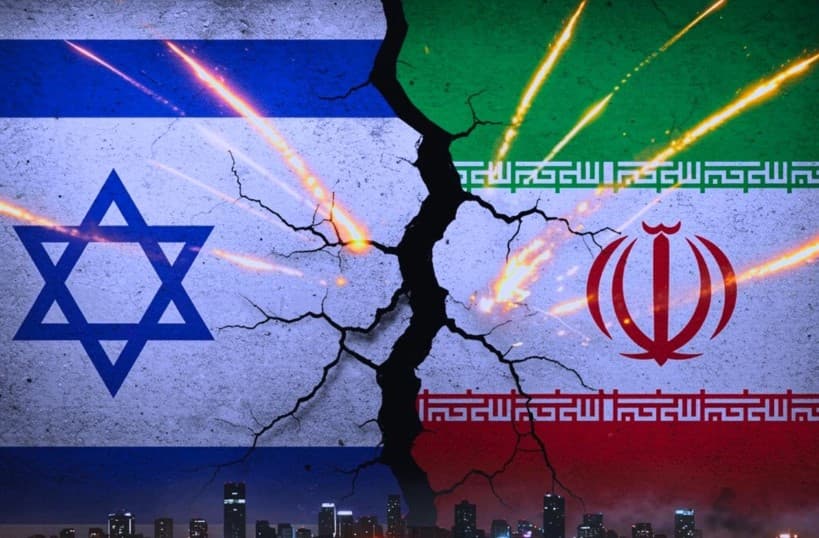
The War on Iran has rapidly escalated into one of the most serious geopolitical crises in the Middle East, reshaping regional alliances, energy markets, and global security calculations.
The Middle East has entered one of its most volatile moments in decades following coordinated strikes by the United States and Israel on Iran. What began as targeted military action has rapidly expanded into a regional conflict involving Gulf states, Israel, Hezbollah, and major global powers.
This is a structured breakdown of why the war began, what has happened so far, and how long it could continue.
What Triggered the Attack?
The immediate trigger was a large scale military operation launched by the US and Israel targeting Iran’s missile infrastructure, military bases, and senior leadership. Among those reportedly killed was Iran’s Supreme Leader, Ali Khamenei, who had ruled since 1989.
US President Donald Trump stated that the primary objective was to prevent Iran from acquiring nuclear weapons.
“We’re going to destroy their missiles and raze their missile industry to the ground.”
Washington claims Iran posed an imminent threat, while Tehran insists its nuclear programme is peaceful.
Israeli Prime Minister Benjamin Netanyahu described the campaign as necessary to eliminate what he called an existential threat to Israel.
The US operation, named Operation Epic Fury, was designed to dismantle Iran’s military command structure and missile production capabilities.
What Has Happened Since?
1. Leadership Decapitation Strategy
Multiple senior Iranian officials, including military commanders from the Islamic Revolutionary Guard Corps, were reportedly killed in the initial wave of strikes. Iran has since appointed a new IRGC commander, signalling an attempt to stabilise its chain of command.
2. Iranian Retaliation Across the Region
Iran responded with ballistic missiles and drones targeting:
- Israel
- US military bases in Qatar, Kuwait, Bahrain, UAE, and Jordan
- A British base in Cyprus
- Commercial vessels near the Strait of Hormuz
The Strait of Hormuz remains strategically vital. About 20 percent of global oil shipments pass through it.
3. Hezbollah Enters the Conflict
Iran backed Hezbollah launched rockets into Israel from Lebanon. Israel responded with strikes in Beirut and southern Lebanon, opening a northern front and expanding the scope of the conflict.
4. Gulf States Caught in the Crossfire
Several Gulf nations hosting US bases have been struck. Cities including Dubai and Doha reported explosions. Qatar temporarily halted liquefied natural gas production following attacks.
A regional conflict is increasingly affecting states that are not directly engaged in hostilities.
Economic Shockwaves Across Global Markets
The conflict is already shaking international markets.
- Oil prices surged around 10 percent.
- Gas prices spiked nearly 50 percent after disruptions in Qatar.
- Iran warned ships against passing through the Strait of Hormuz.
- Saudi Arabia’s Ras Tanura refinery was partially shut down following drone strikes.
This escalation risks triggering a broader global energy crisis, particularly if shipping routes remain threatened.
How Might Iran Choose a New Leader?
Following Khamenei’s death, a transitional council was formed including President Masoud Pezeshkian and senior clerics. The permanent successor must be chosen by the 88 member Assembly of Experts.
Under Iran’s constitution, the Assembly must appoint a new Supreme Leader as soon as possible. However, the ongoing conflict could complicate the process.
The leadership vacuum adds uncertainty to both military strategy and diplomatic options.
How Long Could the War Last?
This remains the most critical and uncertain question.
President Trump suggested operations could continue for four to five weeks, while adding that the US has the capability to sustain action for much longer.
“We projected four to five weeks, but we have capability to go far longer than that.”
Netanyahu stated that the campaign would continue as long as necessary.
Several factors will determine the duration:
Iran’s Military Capacity
If Iran retains significant missile and drone capabilities, retaliatory strikes may continue for weeks.
Strait of Hormuz Stability
Any full blockade would escalate the conflict dramatically and could draw in broader international involvement.
Hezbollah’s Role
A full scale Israel Hezbollah war would prolong and intensify the conflict significantly.
Internal Unrest in Iran
Trump has openly called for regime change. If domestic instability grows, the war could shift from interstate confrontation to internal upheaval.
Diplomatic Intervention
Regional powers or global actors may attempt to broker ceasefire talks to prevent deeper economic damage.
Travel and Aviation Disruptions
Airspace closures across Iran, Qatar, Iraq, and Jordan have caused one of the largest disruptions to global aviation since the pandemic. Major airlines have suspended or rerouted flights, and governments are advising against travel to the region.
The Bigger Strategic Picture
This conflict is no longer confined to a US Israel Iran triangle. It now involves:
- Gulf monarchies hosting US forces
- Hezbollah in Lebanon
- Global oil markets
- International shipping lanes
The assassination of a sitting Supreme Leader marks an unprecedented escalation in modern Middle Eastern politics. Whether this becomes a short, high intensity campaign or a prolonged regional war depends on how quickly military objectives are achieved and whether diplomacy re emerges before further escalation.
Conclusion
The United States and Israel argue that the war is about neutralising Iran’s nuclear and missile threat. Iran frames it as unprovoked aggression and continues to retaliate across the region.
With energy markets destabilising, multiple countries under fire, and leadership change underway in Tehran, the conflict stands at a dangerous crossroads.
The coming weeks will determine whether this remains a limited military campaign or evolves into a prolonged regional war that reshapes Middle Eastern geopolitics.