

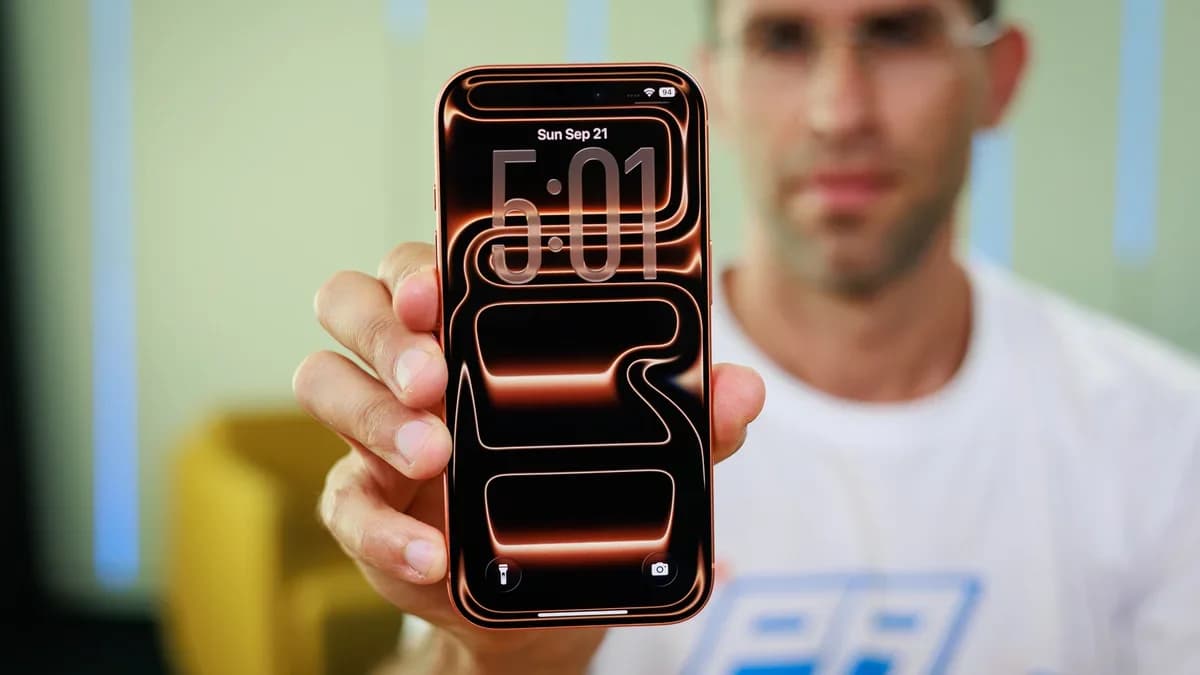
Every year, the technology media builds Apple's next iPhone into either the saviour of the smartphone era or its terminal decline. The cycle is predictable the language is escalating and the public appetite for it has not diminished across seventeen generations of the device. I see the iPhone 18 following this pattern with particular intensity creating a cluster of accusations and claims that deserve serious examination. These accusations include a data breach at a manufacturing partner persistent rumours of price hikes concerns about split launch scheduling controversy carried over from the iPhone 17 and allegations, about hardware decisions that critics called compromises but Apple called choices. I have compiled a fact‑check of every claim surrounding the iPhone 18 release balancing what is verified what is speculation and what the evidence actually supports.
What We Know vs What Is Speculation
Before any claim is looked into one fact needs to be said the iPhone 18 has not come out yet when this is being written. No official word, from Apple has been shared about what the iPhone 18 will look like how much it will. When the iPhone 18 will be available. All the things talked about in this article that're not from Apples own information are based on things that came from the supply chain what experts think, what is written in patents and guesses that are made by people who know a lot.
A Tata Electronics Data Breach Has Compromised iPhone 18 Supply Chain Security
The Background: Tata Electronics, the Indian conglomerate that became a key Apple supply chain partner following Apple's strategic push to diversify iPhone assembly away from exclusive dependence on Foxconn in China, experienced a significant data breach in late 2024. The breach, which Tata confirmed affected its operations, generated substantial concern about whether sensitive manufacturing data, including component specifications and assembly processes for upcoming Apple products, had been compromised.
The Evidence: The breach was real and confirmed. Tata Electronics acknowledged in October 2024 that ransomware had affected systems at its Hosur facility in Tamil Nadu, one of its primary iPhone assembly locations. The attack was attributed to a group operating ransomware-as-a-service infrastructure, and reports indicated that a volume of internal data had been extracted before the ransomware was contained.
What remains unconfirmed is the specific content of the extracted data. Claims circulating in technology media that the breach exposed apple iphone 18 component specifications, design schematics, or camera system details are speculative. Neither Apple nor Tata has confirmed what category of data was accessed. Independent security researchers who examined the ransomware group's subsequent data release found it contained primarily HR and operational records rather than product design documentation.
Fact-Check Verdict: Breach Verified, iPhone 18 Impact Unverified. The Tata data breach happened and was serious. Its specific relevance to the iphone 18 pro max development timeline and design security is unconfirmed by available evidence. Media characteristics suggesting that Apple's next flagship design had been "leaked" through the breach should be treated with significant scepticism.
The iPhone 18 Will Face Significant Price Hikes
The Background: Price hike speculation surrounds every new iPhone cycle, and the apple iPhone 18 has generated particularly intense versions of this conversation. The specific triggers include Apple's ongoing supply chain restructuring, the tariff environment affecting imports to the United States, increased component costs for expected hardware upgrades, and historical pricing trajectory across recent generations.
The Evidence: Apple's pricing history provides the most reliable baseline. The iPhone X broke the $999 barrier in 2017. The iPhone 12 Pro Max launched at $1,099. The iPhone 14 Pro Max launched at $1,099. The iPhone 15 Pro Max launched at $1,199. The iPhone 16 Pro Max maintained $1,199. The pattern shows periodic step-ups rather than annual increases.
Analyst projections for the iphone 18 pro max pricing vary. JP Morgan analysts projected in early 2025 that tariff exposure and component costs could push the Pro Max entry price to between $1,299 and $1,399. Wedbush Securities analyst Dan Ives, one of the most closely followed Apple watchers, has suggested that Apple may absorb some tariff cost rather than pass it entirely to consumers, noting the elasticity risk of a sharp price increase in a market already experiencing consumer spending caution.
The split launch rumour suggesting that Apple might stagger iPhone 18 release dates across regions or model tiers to manage supply chain pressure has circulated in supply chain reporting from Ming-Chi Kuo and Ross Young, two analysts with documented track records of accurate Apple supply chain intelligence. Neither has confirmed this as certain.
Fact-Check Verdict: Price Increase Plausible, Specific Numbers Speculative. The directional case for some pricing pressure on the Apple iphone 18 is substantiated by tariff exposure and component cost trajectory. Specific price figures, and the split launch scenario, remain analyst projections rather than confirmed plans.
Is the iPhone 17 Controversial, and Does That Controversy Carry Into the iPhone 18?
The Background: The iPhone 17 stirred up a lot of debate. Those discussions are now shaping how people think about the iPhone 18 Pro. Critics pointed to key issues. The main complaints focused on how similar the iPhone 17 felt to the iPhone 16. Many said there wasn’t enough new or different about it. Then there was the camera bar design. Some people questioned if that change was really an improvement or just a redesign for the sake of it. There were also concerns about the body of the phone. Was the shift to a chassis hurting battery life? That was a topic especially since Apple’s marketing didn’t seem to address the possible trade-offs.
The evidence from independent labs tells a different story. Testing from sites like Tom’s Guide and GSMArena found that battery life on the iPhone 17 wasn’t worse than the iPhone 16 Pro Max. In fact some reviewers said the phone managed to be thinner without sacrificing power. That suggests Apple didn’t just cut corners. Instead it may have improved battery efficiency. Used better chemistry to keep things balanced. So the battery issues that some feared might not be as serious as people thought. That could mean the iPhone 18 Pro will have a shot at delivering both innovation and performance.The camera bar design was polarising, aesthetically reviewers were split, consumers adapted, and sales data did not indicate a rejection of the design as commercially damaging.
The "misunderstood hardware trade-offs" criticism that circulated around the iPhone 17 specifically around the removal or modification of certain connectivity options and the display brightness ceiling in specific use scenarios reflected a genuine tension in Apple's design philosophy. Apple consistently chooses integration and elegance over the maximum specification numbers that characterise competing Android flagships. Whether this constitutes a misunderstood trade-off or a genuine compromise depends on the user's specific priorities, which makes it less of a factual controversy and more of a values dispute between different user communities.
Fact-Check Verdict: Controversy Overstated, Trade-Offs Real. The iPhone 17 was not a controversy in any commercially meaningful sense. Its hardware trade-offs were real design decisions with legitimate criticisms attached. The Apple iphone 18 pro enters development informed by those criticisms, and supply chain reporting suggests Apple has addressed at least the battery capacity concern in the 18 series.
The iPhone 18 Release Date Has Been Delayed or Split
The Background: The iphone 18 release date speculation became more complex than usual when supply chain reports suggested that the manufacturing ramp required for a standard September launch of all four iPhone 18 models simultaneously might be compromised by Tata's post-breach recovery timeline and by component supply constraints affecting the iphone 18 pro max specifically.
The Evidence: Apple has maintained a consistent September launch window for its iPhone lineup since the iPhone 5 in 2012, with minor exceptions. Supply chain analysts tracking the production ramp for the iphone 18 release have noted that Tata's Hosur facility, which produces a significant portion of iPhone units for the Indian market and contributes to global supply, experienced some production disruption following the 2024 breach.
However, multiple supply chain sources cited by Bloomberg's Mark Gurman in early 2025 indicated that Apple's production timeline for the iPhone 18 was proceeding within acceptable parameters. No confirmed split launch announcement has been made. Gurman's reporting, which has a documented history of accuracy on Apple production matters, does not support the most alarming versions of the split launch narrative.
Fact-Check Verdict: Standard September Launch Remains Likely. Available credible evidence supports a September 2025 Apple iPhone 18 launch in the standard pattern. The split launch narrative was amplified significantly beyond what the underlying supply chain evidence supported.
The Turning Point: What Apple Has Actually Done Right
Having examined every major controversy attached to the iphone 18 pro max cycle, the picture that emerges is one in which the legitimate concerns are real but the most alarming framings of them are not. The Tata breach was serious but did not demonstrably compromise design security. The pricing pressure is genuine but the consumer impact remains conditional on decisions Apple has not yet made. The iPhone 17's hardware trade-offs were real but reflected deliberate design philosophy rather than engineering failure. The release date concerns are documented but do not currently outweigh the evidence for a standard launch pattern.
More importantly, Apple's response to each of these pressure points reflects a company that has built extraordinary institutional resilience through exactly the kind of adversity that the iPhone 18 cycle represents. The Tata breach accelerated Apple's existing push to diversify assembly further across Indian facilities, reducing single-point supply chain concentration. The tariff environment has prompted Apple to increase domestic US assembly of certain products while expanding India-based production specifically to reduce tariff exposure on devices sold into the American market.
The hardware trade-off criticisms from the iPhone 17 cycle have been fed directly into the engineering brief for the apple iphone 18 pro, with supply chain reporting consistently suggesting that the 18 Pro Max will feature the largest battery ever placed in an iPhone alongside camera and display advances that address the specific benchmarks on which the 17 was found wanting.
And the pricing strategy, whatever its final form, reflects a company that has navigated seventeen generations of flagship pricing decisions with a record of maintaining consumer demand at price points that competitors have consistently failed to match.
Conclusion: The iPhone That Had to Earn Its Anticipation
The iphone 18 pro max arrives in the market carrying more pre-release controversy than any Apple flagship in recent memory. The Tata breach raised real security questions. The pricing environment raised real affordability questions. The iPhone 17's hardware choices raised real design questions. The split launch speculation raised real supply chain questions. Every one of these concerns was grounded in something real.
What the fact-check record shows is that the most alarming versions of each concern outran the evidence available to support them. And what Apple's response to these pressures demonstrates is a company operating exactly as it has for two decades when under commercial and reputational pressure: quietly, methodically, and with a long-term view that absorbs short-term turbulence without abandoning its strategic direction.
The Apple iPhone 18 will be scrutinised more intensely than any of its predecessors. That scrutiny is appropriate. The iPhone is no longer just a consumer device. It is a geopolitical supply chain asset, a personal data repository, a commercial ecosystem, and the most widely used computing device in human history. Holding it to a higher standard of accountability than other consumer electronics is not unfair. It is necessary.
The evidence available suggests Apple has heard the specific criticisms of the iPhone 17 cycle, addressed the most substantive ones in the 18's development brief, and is managing the supply chain and pricing challenges with the kind of institutional competence that its history entitles it to be judged against. That is not a guarantee of a perfect product. It is evidence that the company building it has learned from everything that went wrong.
That, in technology as in everything else, is the most honest endorsement available.
For Relevant Content Read More...